Health and Safety Risks Caused by Small Animals in Commercial Facilities
Commercial small animal removal experts can help address health and safety risks caused by small animals in commercial facilities, ensuring a safe environment for employees and customers.
Visitors exploring concerns about health and safety risks caused by small animals in commercial facilities are in the right place. Small animals such as rodents, birds, and insects can introduce serious health hazards, including the spread of diseases and contamination of food or products. Property owners in the area may find it especially important to understand these risks to protect employees, customers, and the integrity of their operations. Recognizing the signs of an infestation early and addressing it efficiently can prevent costly damage and ensure a safe environment for everyone involved.
Local contractors specializing in small animal removal offer practical solutions to these concerns. They understand the unique challenges faced by commercial facilities and can help implement effective removal strategies to mitigate health and safety risks caused by small animals. By connecting with experienced service providers, property owners can take proactive steps to maintain a clean, safe, and compliant space, reducing potential hazards associated with small animal presence. Keep reading to learn more about how these local experts can support your property's health and safety needs.
- Commercial building inspections - when small animals are suspected to be present, local contractors assess the extent of infestation and identify potential health hazards.
- Rodent and pest exclusion services - in cases where small animals have invaded, local service providers implement barriers to prevent future access, reducing safety risks.
- Small animal removal and trapping - if small animals pose health threats, local pros safely remove them and mitigate contamination or damage concerns.
- Sanitation and cleanup services - after small animal activity, local contractors disinfect affected areas to eliminate health hazards caused by droppings or nesting materials.
- Structural repairs and sealing - to prevent re-entry and mitigate health risks, local pros secure entry points and repair damage caused by small animals.
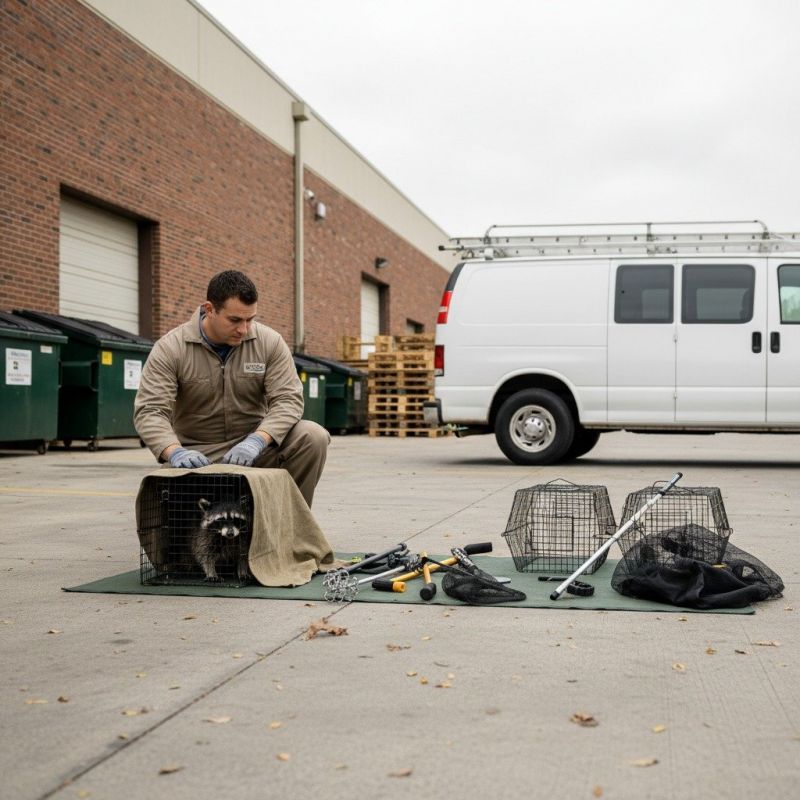
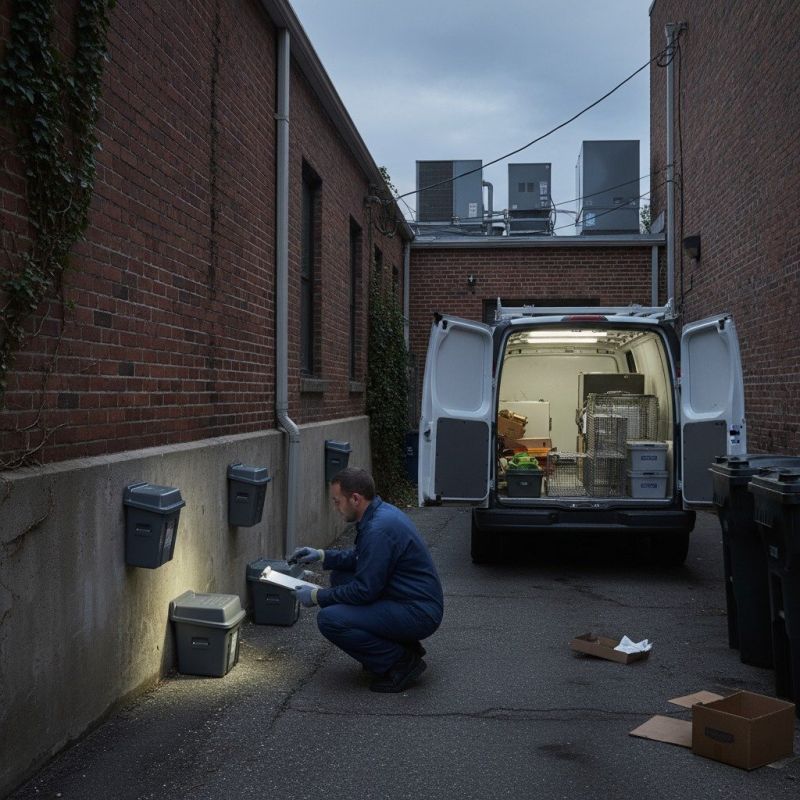
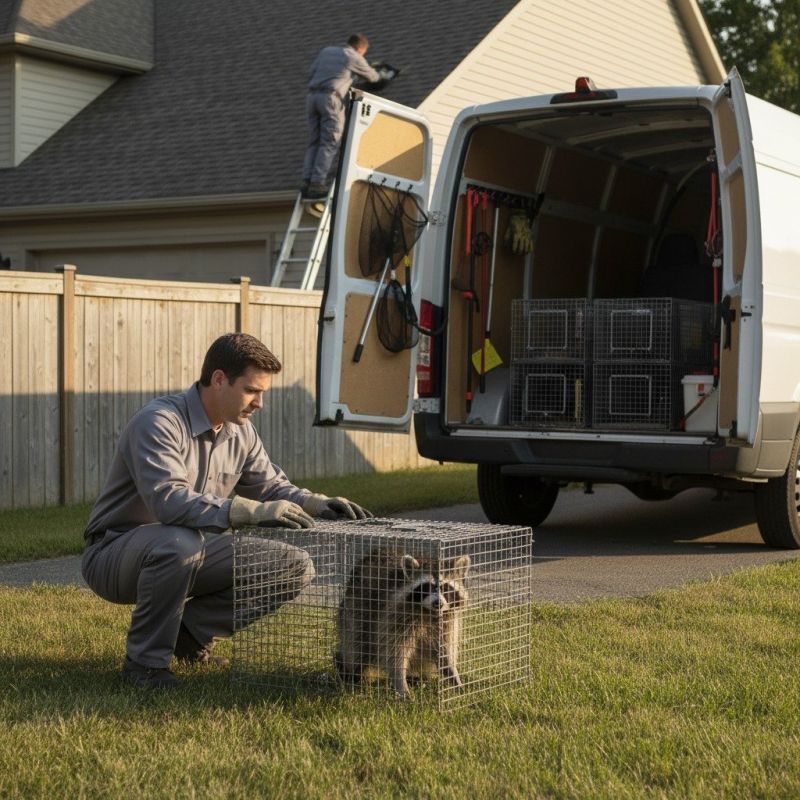
When people search for information about health and safety risks caused by small animals in commercial facilities, they are often concerned about how these creatures can impact the safety of employees, visitors, and the integrity of their property. Small animals such as rodents, squirrels, or bats can carry diseases that pose direct health threats through bites, droppings, or contaminated surfaces. Additionally, their presence may lead to contamination of food supplies or stored goods, creating potential hazards for food safety and sanitation. Understanding these risks helps facility managers and property owners recognize the importance of prompt and effective removal to maintain a safe environment for everyone involved.
This topic is closely related to various operational and safety plans within commercial settings. For example, facilities that handle food products, pharmaceuticals, or sensitive equipment must prioritize pest prevention and control measures to ensure compliance with health standards. Small animals can cause structural damage by gnawing on wiring, insulation, or building materials, which might increase the risk of fire or equipment failure. Moreover, the presence of these animals often indicates gaps or vulnerabilities in building maintenance, prompting the need for integrated pest management strategies. Addressing these issues proactively with the help of local service providers can prevent more serious health and safety problems from developing over time.
The types of properties most commonly affected by small animals include warehouses, manufacturing plants, retail stores, restaurants, and office complexes. Warehouses storing food or goods are especially vulnerable, as small animals can easily access stored items and spread contamination. Food processing facilities must be vigilant about pest intrusion to prevent health violations and product recalls. Commercial buildings with accessible attics, basements, or roof spaces are also at risk, as these areas often serve as nesting sites for rodents and bats. Recognizing the specific vulnerabilities of each property type helps owners and managers understand where to focus pest control efforts and how local contractors can assist in safeguarding their premises.
For property owners and managers, understanding the health and safety risks caused by small animals in commercial facilities highlights the importance of professional removal services. Local pros specialize in identifying entry points, assessing the extent of an infestation, and implementing humane and effective removal methods. Their expertise ensures that small animals are safely and thoroughly removed, reducing the risk of health hazards and structural damage. Connecting with experienced service providers can be a critical step in maintaining a safe, sanitary environment, and preventing the health and safety risks associated with small animals from escalating into more serious problems.
Wildlife Exclusion Projects - These projects involve sealing entry points and preventing small animals from accessing commercial facilities, which is essential for managing health and safety risks caused by small animals in commercial facilities.
Pest Control and Removal Services - Professionals specializing in pest control often handle small animal infestations that pose health hazards, requiring planning and safety measures similar to those in small animal removal.
Building Inspection and Damage Assessment - Inspecting structures for signs of small animal intrusion helps identify potential health risks and necessary repairs, aligning with the skills used in small animal exclusion.
Sanitation and Decontamination Projects - These projects focus on cleaning and disinfecting areas contaminated by small animals, which is critical in reducing health and safety risks caused by small animals in commercial facilities.
Structural Repair and Reinforcement - Repairing damage caused by small animals involves planning and execution skills relevant to preventing future health hazards in commercial settings.
Rodent and Pest Proofing Services - Installing barriers and proofing entry points to prevent small animal access directly relates to reducing health and safety risks caused by small animals in commercial facilities.
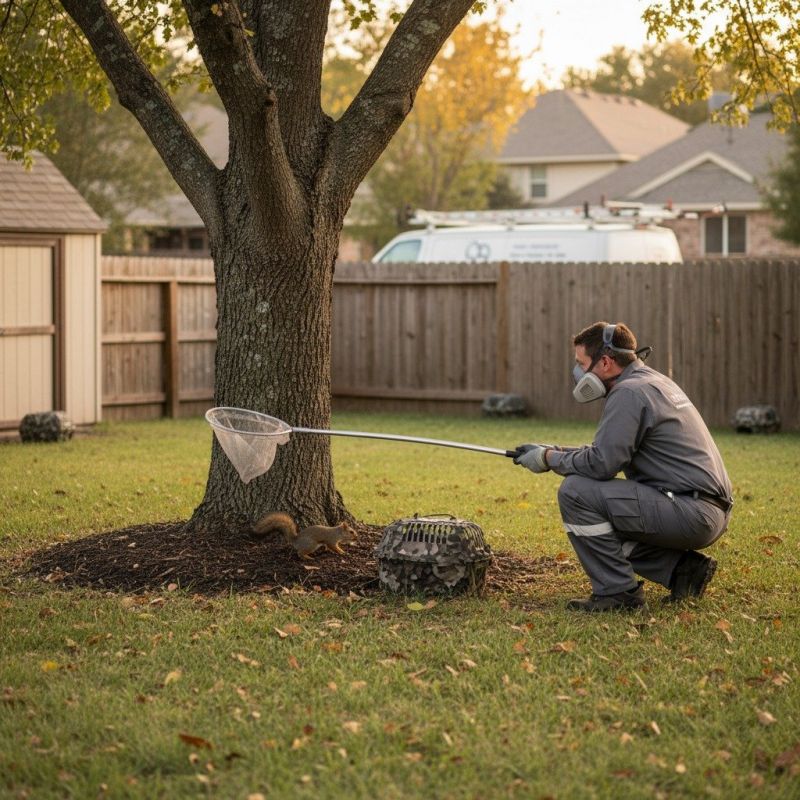
When evaluating service providers for addressing health and safety risks caused by small animals in commercial facilities, experience with similar projects is a key factor to consider. Contractors who have handled small animal removal in environments comparable to the specific facility are more likely to understand the unique challenges involved, such as potential structural damage, contamination, or the presence of hazardous conditions. Inquiring about a contractor’s past work on comparable projects can help ensure they have the practical knowledge needed to effectively identify and mitigate health and safety risks caused by small animals in commercial settings.
Clear written expectations are essential to establishing a mutual understanding of the scope and approach of the removal process. Reputable local contractors should be able to provide detailed descriptions of the services they offer, including inspection procedures, removal methods, and cleanup practices. This transparency helps prevent misunderstandings and ensures that both parties are aligned on the steps necessary to reduce health and safety risks caused by small animals. Well-defined expectations also support accountability and facilitate a smoother process from assessment through completion.
Good communication and reputable references are vital when choosing a service provider for small animal removal. Contractors who communicate clearly and promptly can address questions or concerns about health and safety risks effectively. Additionally, references from previous clients who have had similar work done can offer insights into the contractor’s reliability, professionalism, and ability to handle the specific health and safety considerations in commercial environments. Gathering this information helps ensure that the selected local pros are capable of managing the risks involved and can deliver a thorough, safe, and efficient removal process.
Property owners often search for health and safety risks caused by small animals in commercial facilities when they are planning practical projects around their homes and businesses. Local pros provide Commercial Small Animal Removal services for everyday jobs and straightforward project options.
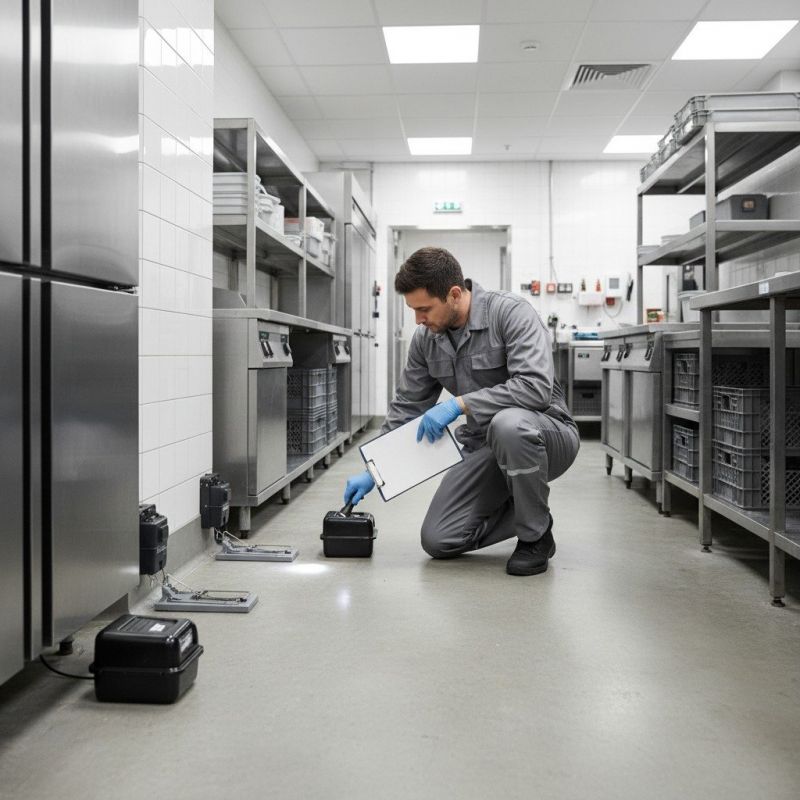
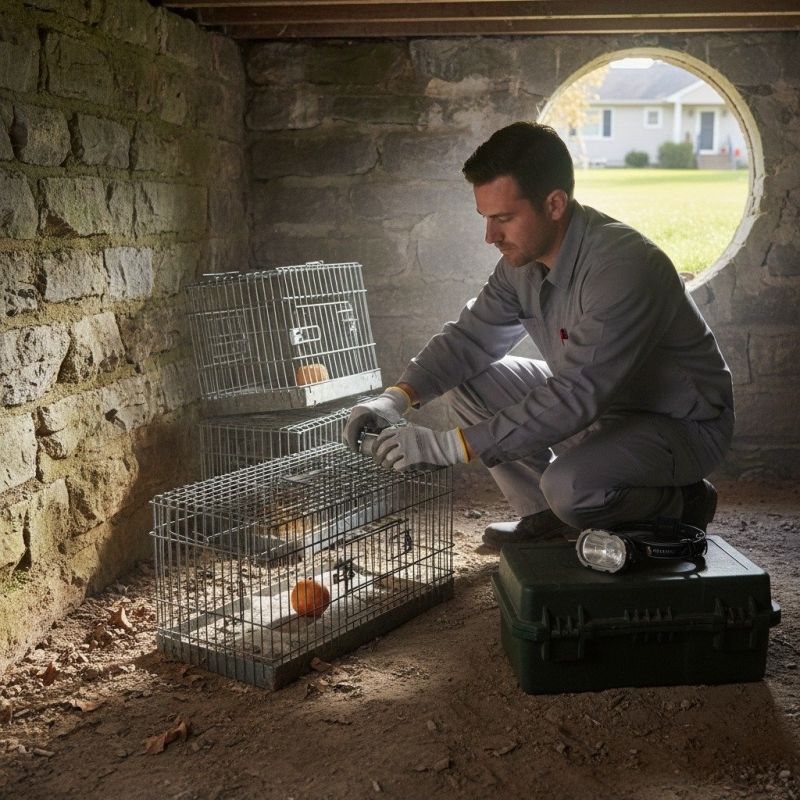
Small animals such as rodents, birds, and insects can pose significant health and safety risks in commercial facilities. Their presence often leads to contamination of food storage areas, equipment, and surfaces with droppings, urine, and nesting materials, which can spread bacteria, viruses, and parasites. Additionally, small animals may cause structural damage by gnawing on wiring, insulation, and building materials, increasing the risk of electrical fires or costly repairs. Property owners in the area might seek out commercial small animal removal services to address these hazards promptly and effectively, ensuring a safer environment for employees and customers alike.
In many everyday project situations, uncovering signs of small animal activity can trigger concerns about potential health threats and safety hazards. An infestation might be hidden behind walls, in attics, or within ceiling spaces, making it difficult to resolve without professional assistance. Local contractors specializing in small animal removal can assess the situation, safely eliminate the animals, and implement measures to prevent future issues. Property owners who recognize the risks associated with small animals often turn to these experienced service providers to mitigate health concerns and maintain compliance with safety standards.
What health risks are associated with small animals in commercial facilities? Small animals such as rodents and insects can carry diseases, bacteria, and parasites that pose health risks to employees and customers, including respiratory issues and infections.
How can small animals impact the safety of a commercial environment? Small animals can damage wiring, insulation, and structural components, increasing the risk of fire hazards and structural integrity concerns in commercial facilities.
Why is it important to address small animal infestations promptly? Prompt removal helps prevent the spread of diseases, reduces health hazards, and minimizes potential damage to the facility's infrastructure and products.
What role do local service providers play in mitigating health and safety risks caused by small animals? Local contractors specialize in humane removal and exclusion methods to eliminate small animals, reducing health hazards and preventing future infestations.
Are there specific health and safety concerns related to different types of small animals? Yes, different small animals, such as mice, rats, or insects, carry unique health risks and may require tailored removal strategies to ensure safety in commercial settings.
Identify entry points - property owners can work with local contractors to locate and seal gaps or holes that small animals use to access commercial spaces, reducing health and safety risks caused by small animals in commercial facilities.
Implement sanitation measures - establishing cleaning protocols with local pros helps prevent infestations and minimizes health hazards associated with small animals in the workplace.
Schedule regular inspections - routine assessments by local service providers can detect early signs of small animal activity, allowing for prompt removal and risk mitigation.
Remove nesting sites - collaborating with local contractors to eliminate debris and nesting areas decreases the likelihood of health and safety risks caused by small animals in commercial facilities.
If you are thinking about health and safety risks caused by small animals in commercial facilities for a property, this guide is meant to help you understand this topic, the typical project types, and how different options might fit your plans.
When you are ready, you can use the quote form on this page to share a few details about your project. From there, local pros can review the basics and follow up with options that match what you have in mind.