How Small Animals Impact Commercial Buildings and Business Operations
Commercial small animal removal specialists help protect buildings and business operations by safely removing pests like rodents and birds that can cause damage and disruption.
Understanding how small animals impact commercial buildings and business operations is essential for property owners in the area. Small animals such as rodents, squirrels, and birds can cause significant disruptions, from damaging wiring and insulation to contaminating spaces with droppings and nesting materials. These issues not only threaten the structural integrity of a building but can also lead to costly repairs and potential health concerns that affect day-to-day operations. Exploring this topic helps property owners recognize the importance of timely intervention and preventative measures to maintain a safe, functional environment for staff and visitors alike.
Local contractors who specialize in small animal removal offer practical solutions tailored to the unique needs of commercial properties. They understand how small animals impact buildings and business operations, providing effective removal and exclusion services to address infestations before they escalate. By connecting with these experienced service providers, property owners can better safeguard their investments, minimize operational disruptions, and ensure a healthier workspace. Keep reading to learn more about how small animals can affect commercial spaces and the ways local pros can help manage these challenges efficiently.
- Commercial building inspections for small animals - local contractors assess signs of small animal activity to determine if removal services are needed.
- Exclusion and sealing services - when small animals have entered a building, local pros secure entry points to prevent re-infestation and protect business operations.
- Wildlife trapping and removal - in cases of active small animal presence, local service providers implement humane trapping methods to eliminate pests efficiently.
- Damage repair and prevention - after small animals cause structural damage, local pros restore and reinforce building components to maintain business integrity.
- Preventative maintenance for small animal intrusion - proactive inspections and sealing by local contractors help businesses avoid disruptions caused by small animal impacts.
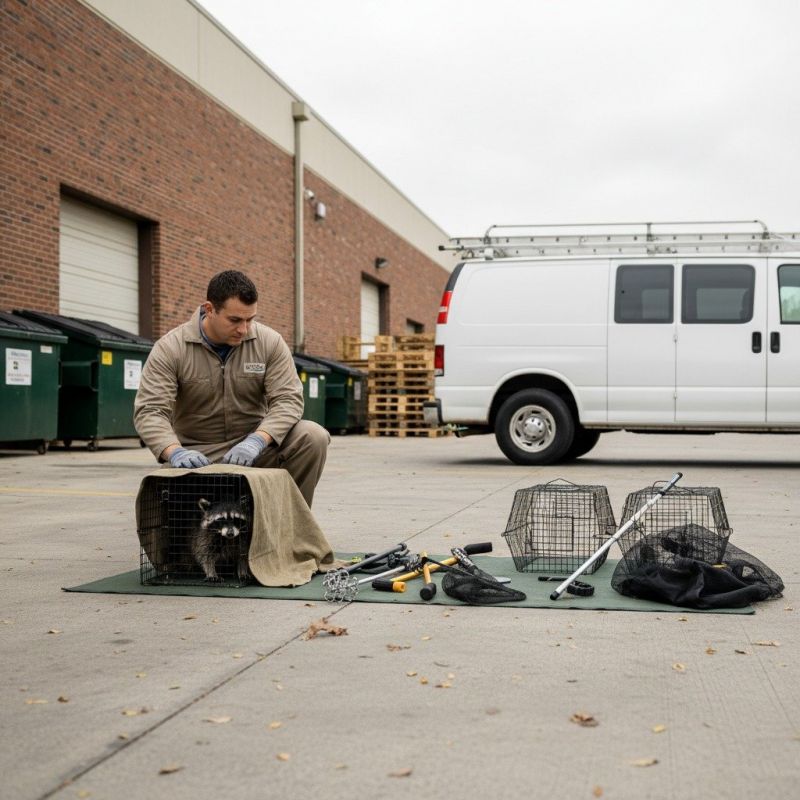
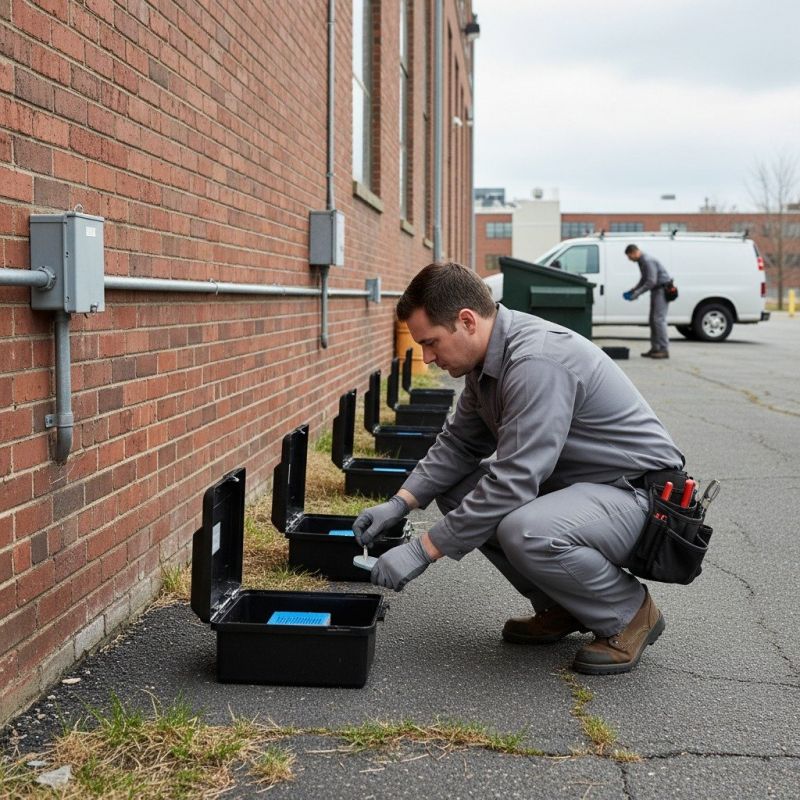
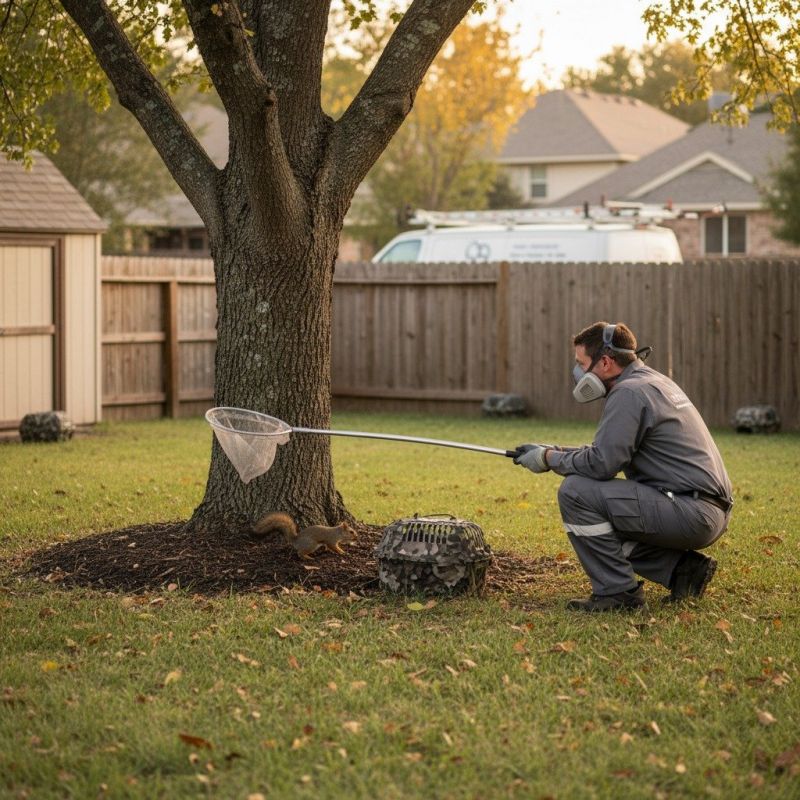
Understanding how small animals impact commercial buildings and business operations is a common concern for property owners and managers. When people search this topic, they often want to learn about the potential problems these animals can cause inside or around their properties. Small animals such as mice, rats, squirrels, and birds can infiltrate buildings through tiny openings, leading to damage, contamination, and health risks. Recognizing these impacts helps property owners identify early signs of an infestation and understand the importance of professional removal services to prevent further issues.
This topic often relates to plans for pest prevention, damage control, and ongoing maintenance strategies. Business owners and property managers may be considering how to protect their investments from animal-related problems that can disrupt daily operations. Small animals can chew through wiring, insulation, and structural components, causing costly repairs and safety hazards. Additionally, their presence can lead to contamination of food products, stored goods, or workspaces, which could compromise health standards or result in regulatory violations. Local service providers specializing in small animal removal play a key role in addressing these issues efficiently and effectively.
The types of properties that typically come up when discussing how small animals impact commercial buildings include retail stores, warehouses, office complexes, restaurants, and manufacturing facilities. These properties often have ample access points or storage areas that attract animals seeking shelter or food sources. Older buildings with gaps or deteriorated infrastructure are especially vulnerable. Commercial properties with high foot traffic or those that store perishable goods may experience more frequent encounters with small animals, making professional removal and exclusion services a crucial part of maintaining a safe and operational environment.
For property owners and managers, understanding the connection between small animals and their impact on business operations highlights the importance of engaging with local contractors who specialize in small animal removal. These professionals can assess the property for entry points, signs of activity, and potential vulnerabilities. They provide targeted removal solutions and recommend exclusion methods to prevent future invasions. Connecting with experienced service providers ensures that small animal issues are handled promptly, minimizing disruption and protecting the integrity of the building and its operations.
Wildlife Damage Prevention Projects - these projects involve assessing and implementing strategies to prevent small animals from entering commercial buildings, requiring planning skills similar to those used in small animal removal services.
Building Inspection and Pest Detection - professionals conduct thorough inspections to identify signs of small animal activity, paralleling the detection techniques used by small animal removal specialists.
Structural Repair and Sealing Projects - fixing entry points and sealing gaps to block animal access involves planning and execution skills akin to those needed for effective small animal exclusion.
Commercial Property Maintenance - ongoing maintenance tasks to keep buildings animal-proof relate to the preventative aspects of small animal control services.
Rodent and Pest Control Programs - developing integrated pest management plans shares techniques with small animal removal, focusing on targeted exclusion and removal strategies.
Wildlife Habitat Modification - projects that alter surrounding environments to reduce animal attraction require similar planning skills as those used in managing small animal impacts on buildings.
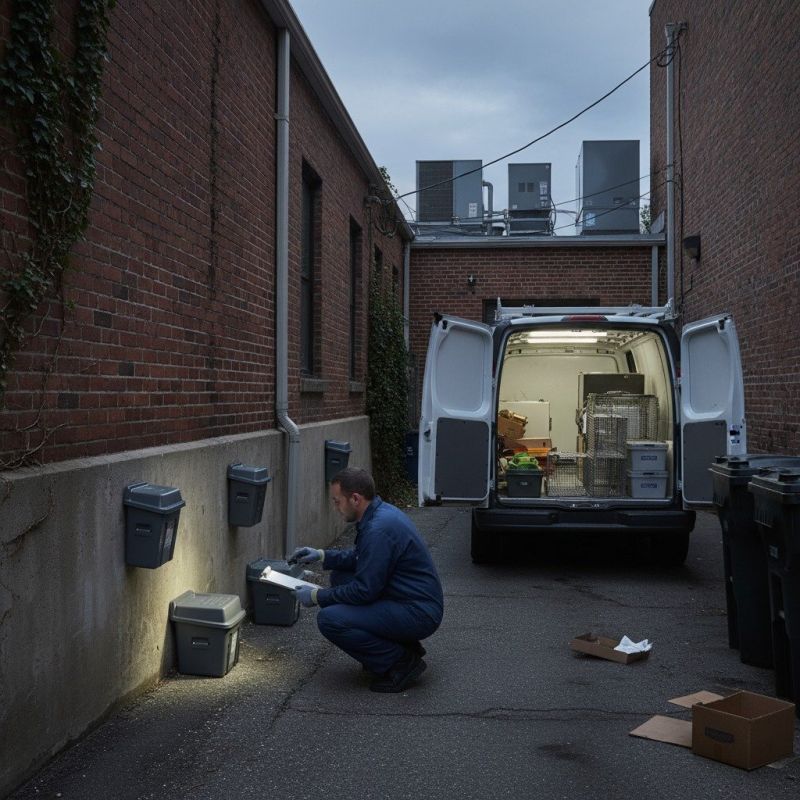
When comparing service providers for commercial small animal removal, it is important to evaluate their experience with similar projects. Service providers who have handled small animal issues in commercial buildings or business environments are more likely to understand the unique challenges involved. They can provide insights into effective removal techniques and prevention strategies based on past work, which can help ensure the problem is addressed thoroughly and efficiently. Asking for details about their previous experience with comparable projects can help determine if a contractor has the necessary background to handle the specific needs of a commercial property.
Clear, written expectations are a crucial factor when choosing a local contractor for small animal removal. A reputable service provider should be able to outline the scope of work, the methods they plan to use, and the steps involved in resolving the issue. This transparency helps prevent misunderstandings and provides peace of mind that the project will be managed professionally. It is advisable to review any written estimates or work plans carefully and ensure they align with the specific concerns related to how small animals impact commercial buildings and business operations.
Reputable references and good communication are key indicators of a dependable service provider. When considering different local contractors, it is beneficial to ask for references from previous clients who had similar needs. This feedback can offer valuable insights into the contractor’s reliability, professionalism, and effectiveness. Additionally, a service provider who communicates clearly and promptly can help keep the process smooth and ensure that questions or concerns are addressed throughout the project. Choosing a contractor with a solid reputation and open lines of communication can make a significant difference in successfully managing small animal issues in a commercial setting.
Property owners often search for how small animals impact commercial buildings and business operations when they are planning practical projects around their homes and businesses. Local pros provide Commercial Small Animal Removal services for everyday jobs and straightforward project options.
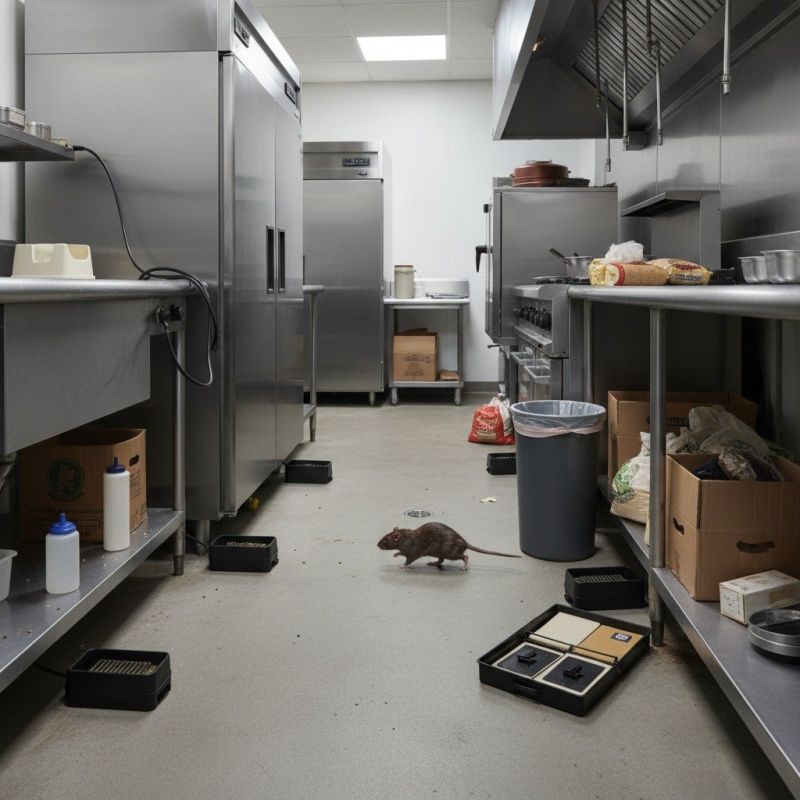
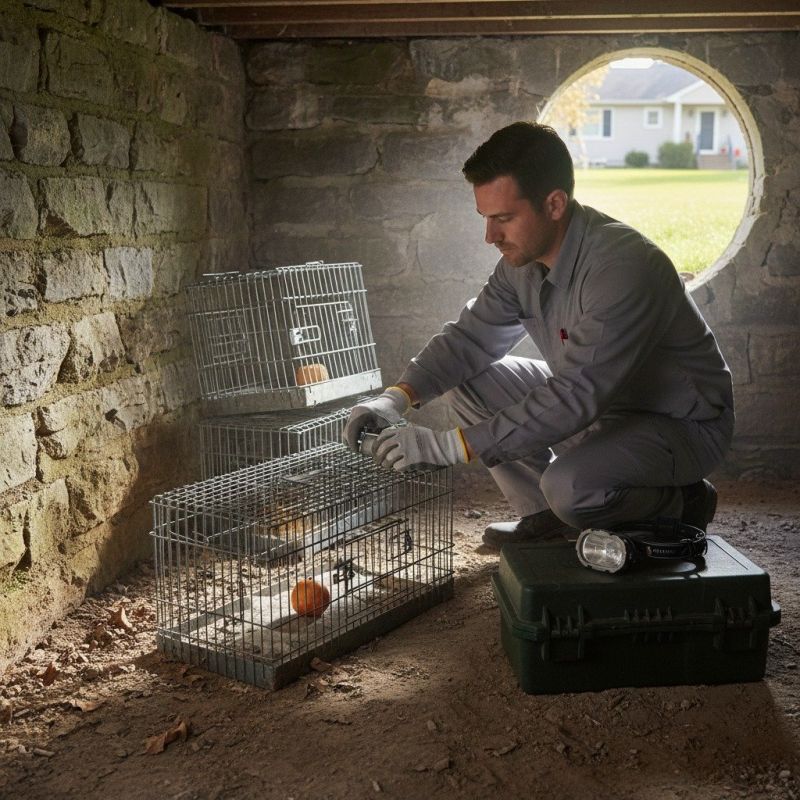
Small animals such as rodents, squirrels, and birds can cause significant issues for commercial buildings and business operations. Their presence often leads to structural damage, as they may gnaw on wiring, insulation, or building materials, creating safety hazards and costly repairs. Additionally, these animals can introduce health risks through droppings, urine, and nesting materials, which can contaminate indoor environments and compromise sanitation standards. Property owners in the area might seek out commercial small animal removal services to address these problems promptly and prevent further damage or health concerns that could disrupt daily business activities.
In many cases, small animals can also interfere with building functions and customer experience. For example, their nesting habits might block ventilation systems or cause noise disturbances, affecting employee productivity and visitor comfort. Recognizing the impact that small animals have on a commercial property often prompts property owners to connect with local service providers who specialize in humane removal and exclusion methods. These professionals can help mitigate the risks associated with small animals, ensuring the building remains safe, clean, and operational without prolonged disruptions.
How do small animals cause damage to commercial buildings? Small animals such as rodents and birds can chew through wiring, insulation, and building materials, leading to structural damage and potential fire hazards. Local contractors experienced in small animal removal can assess and address these issues effectively.
What health risks do small animals pose to business operations? Small animals can carry diseases and parasites that may contaminate food, surfaces, or air quality, impacting employee health and customer safety. Professional removal services help mitigate these health concerns.
How can small animals disrupt daily business activities? Infestations or nesting can cause noise, foul odors, and distractions, reducing productivity and customer satisfaction. Local service providers can quickly eliminate these nuisances to restore normal operations.
Why is it important to remove small animals promptly from commercial properties? Prompt removal prevents further damage, reduces health risks, and minimizes operational disruptions. Local pros can efficiently handle the removal process and prevent future infestations.
What signs indicate the presence of small animals in a commercial building? Signs include droppings, gnaw marks, nesting materials, strange noises, or damaged insulation. Contacting local contractors can help confirm the presence and initiate effective removal measures.
Identifying entry points - property owners can have local contractors inspect buildings for small animal entry points to prevent infestations that disrupt business operations.
Implementing exclusion methods - small animal removal services can help install barriers and seals to keep animals out of commercial spaces, minimizing damage and contamination risks.
Managing nesting sites - local pros can assist in safely removing nests and preventing future nesting, ensuring a clean and safe environment for employees and customers.
Maintaining ongoing inspections - regular inspections by service providers can detect early signs of small animal activity, reducing the chance of costly disruptions or structural issues.
If you are thinking about how small animals impact commercial buildings and business operations for a property, this guide is meant to help you understand this topic, the typical project types, and how different options might fit your plans.
When you are ready, you can use the quote form on this page to share a few details about your project. From there, local pros can review the basics and follow up with options that match what you have in mind.