Health Risks Associated With Wildlife Living in or Around Your Home
To reduce health risks associated with wildlife living in or around your home, local contractors can safely remove animals and prevent future infestations.
Many property owners discover that wildlife living in or around their homes can pose significant health risks. Animals such as rodents, bats, raccoons, and birds can carry diseases that may be transmitted to humans, either through direct contact or via contaminated surfaces and air. Understanding these potential hazards is essential for maintaining a safe and healthy living environment, especially in areas where wildlife frequently seeks shelter or food. Exploring this topic can help homeowners recognize the importance of addressing wildlife issues promptly and effectively, often with the assistance of local contractors experienced in wildlife removal and exclusion.
Engaging with local service providers who specialize in wildlife removal can be a practical step toward reducing health risks associated with wildlife living in or around a home. These professionals are equipped to identify entry points, safely remove animals, and implement measures to prevent future invasions. By taking proactive steps, property owners can minimize exposure to zoonotic diseases and other health concerns linked to wildlife, ensuring their homes remain safe and secure. Keep reading to learn more about the common health hazards and how local experts can help manage them efficiently.
- Wildlife exclusion - when animals are living in or around a home, local contractors can remove them to reduce potential health risks associated with wildlife living in or around your home.
- Rodent proofing - if rodents are found inside the attic or walls, service providers can implement barriers to prevent their return and minimize disease exposure.
- Bird removal - when nesting birds pose health concerns, local pros can safely remove nests and prevent droppings that may carry harmful pathogens.
- Bat control - in cases where bats roost in eaves or attics, local contractors can safely remove colonies to eliminate contamination and health hazards.
- Squirrel removal - if squirrels are inhabiting crawl spaces or roof areas, service providers can humanely remove them to reduce the risk of disease transmission.
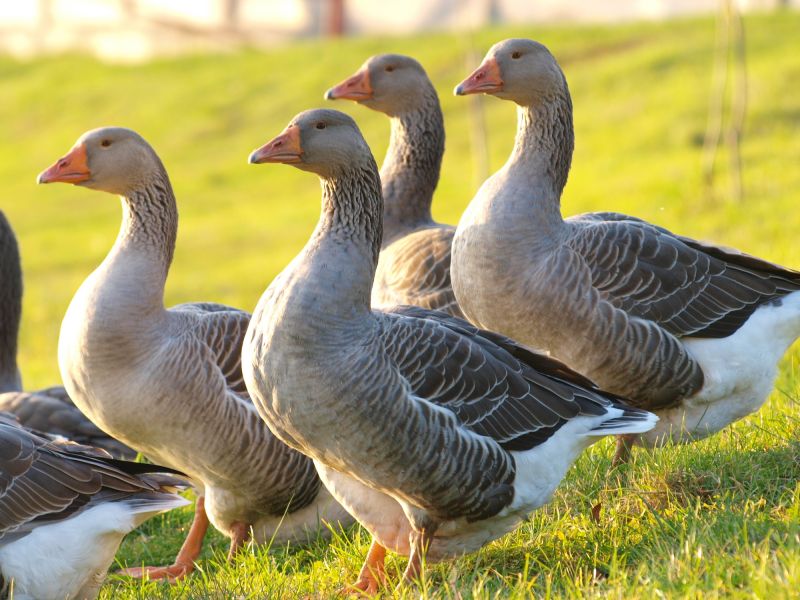
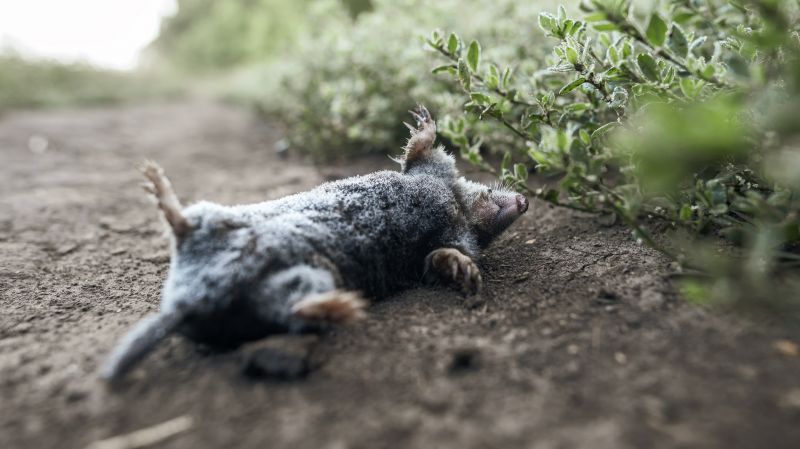
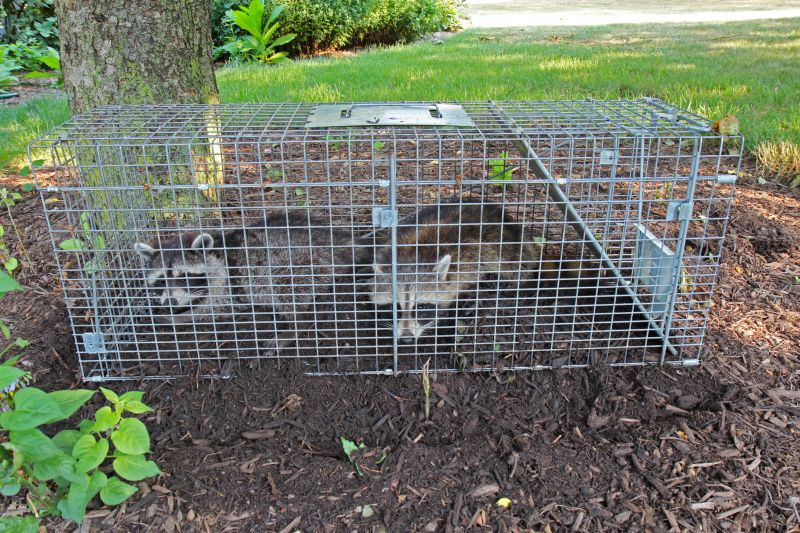
When people search for information about health risks associated with wildlife living in or around their home, they are often concerned about the potential for animals to carry and transmit diseases. Wildlife such as raccoons, squirrels, bats, and birds can carry pathogens that pose health hazards to humans and pets. These risks can include exposure to parasites like ticks and fleas, bacterial infections like Salmonella, or even viruses such as rabies. Homeowners are typically interested in understanding how these animals might come into contact with their living spaces and what dangers they might introduce, especially if animals have taken up residence in attics, wall cavities, or other hidden areas.
This topic relates closely to plans for wildlife removal or exclusion projects aimed at eliminating animals from residential properties. Many homeowners are motivated by concerns over contamination, the presence of droppings, or the noise and damage caused by wildlife. Addressing these issues often involves not only removing the animals but also ensuring that entry points are sealed to prevent future invasions. Local service providers who specialize in wildlife removal can assess the property for signs of animal activity, safely remove the animals, and implement measures to reduce the risk of health hazards. This approach helps homeowners protect their families and pets from potential disease exposure while restoring a safe living environment.
Properties that typically come up in discussions about wildlife-related health risks are often residential homes, especially those with older structures or those located near wooded areas or water sources. Attics, chimneys, crawl spaces, and roof eaves are common entry points for wildlife seeking shelter. Rural properties and homes with large yards or gardens may also be more prone to wildlife incursions. Additionally, properties with gaps or damage in siding, vents, or foundation areas are more vulnerable to animal intrusion. Understanding the type of property helps homeowners identify where wildlife might be hiding and what specific risks might be present, making targeted removal and exclusion efforts more effective.
Wildlife removal service providers play a crucial role in addressing health risks associated with wildlife living in or around a home. They are equipped to identify signs of animal presence, safely remove unwanted visitors, and advise on securing entry points to prevent future problems. By working with experienced professionals, homeowners can reduce the likelihood of disease transmission and other health hazards caused by wildlife. These local contractors focus on humane and effective solutions that not only eliminate current infestations but also help maintain a healthier, safer living environment. Connecting with the right service provider can make a significant difference in managing wildlife-related health risks and protecting the home’s occupants.
Wildlife exclusion projects involve sealing entry points and removing animals, which helps reduce health risks associated with wildlife living in or around your home.
Rodent control services focus on identifying and eliminating rodent infestations, preventing potential disease transmission linked to wildlife presence.
Attic insulation removal and replacement address contaminated insulation caused by nesting animals, decreasing health hazards related to wildlife debris.
Bird deterrent installations help prevent bird nesting in vents and eaves, reducing exposure to droppings and parasites that can pose health risks.
Bat exclusion and removal services safely remove bats from structures, lowering the risk of diseases like rabies associated with wildlife inhabiting homes.
Pest and wildlife inspection services identify potential health hazards caused by wildlife activity, enabling proactive measures to protect household health.
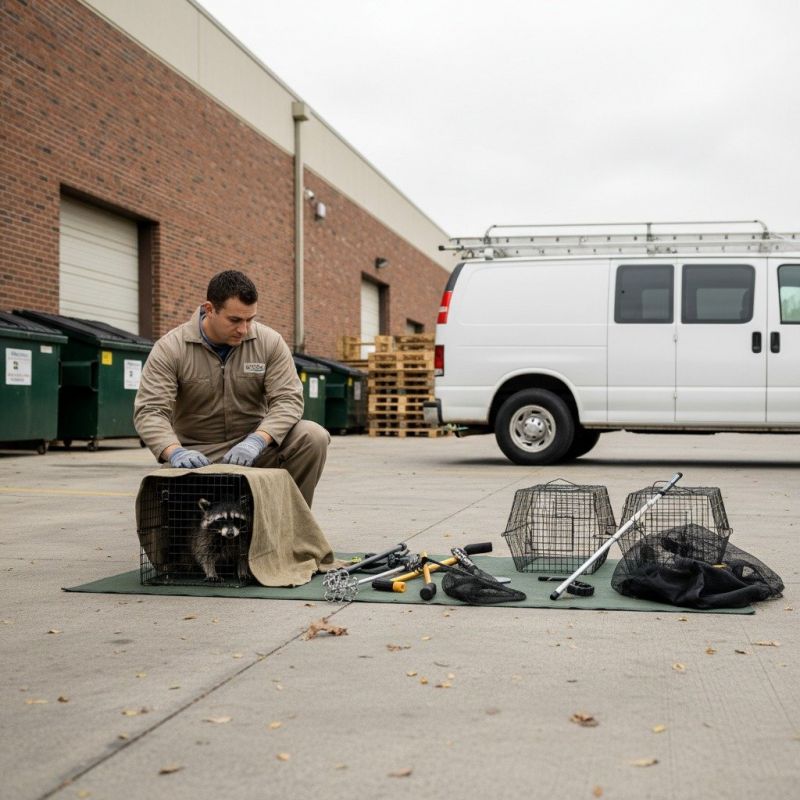
When comparing wildlife removal service providers, it is important to consider their experience with similar projects involving wildlife living in or around homes. An experienced local contractor will have a better understanding of the common types of wildlife in the area and the most effective methods for safely and thoroughly removing animals that may pose health risks. A contractor’s familiarity with these situations can lead to more reliable results, reducing the likelihood of recurring issues and ensuring that potential health hazards associated with wildlife are addressed comprehensively.
Clear, written expectations are essential when evaluating wildlife removal services. Service providers should be able to explain their process in straightforward terms, outlining what the removal will entail, any necessary repairs, and follow-up measures to prevent future wildlife entry. This transparency helps homeowners understand what to expect, minimizes misunderstandings, and ensures that the scope of work aligns with safety concerns related to health risks. Having a well-defined plan also demonstrates professionalism and a commitment to thorough, responsible work.
Reputable references and good communication are key indicators of a trustworthy local contractor. Service providers who can provide references from previous customers or examples of similar projects are more likely to have a track record of effective wildlife removal. Additionally, clear and prompt communication throughout the process helps homeowners stay informed and address any questions or concerns about health risks associated with wildlife living in or around the home. Choosing a provider who values transparency and customer engagement can contribute to a safer, more satisfactory experience when dealing with wildlife-related health issues.
Property owners often search for health risks associated with wildlife living in or around your home when they are planning practical projects around their homes and businesses. Local pros provide Wildlife Removal services for everyday jobs and straightforward project options.
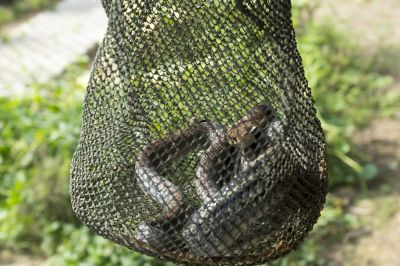
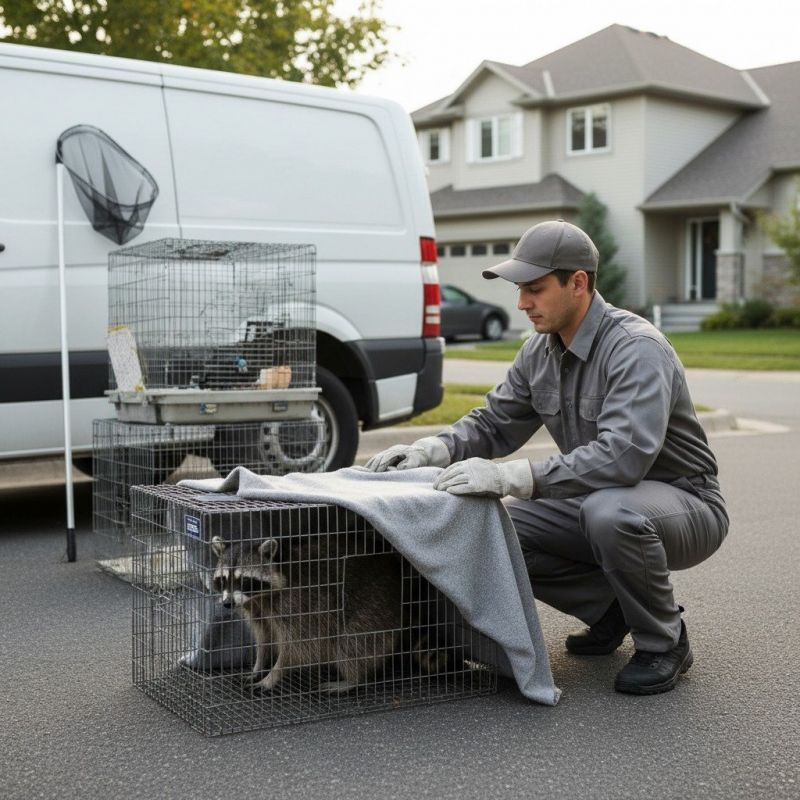
Wildlife living in or around a home can pose several health risks that property owners should be aware of. Animals such as rodents, raccoons, and bats may carry diseases that can be transmitted to humans through bites, scratches, or contact with droppings and urine. Additionally, nests and debris left behind by wildlife can harbor parasites like fleas, ticks, and mites, which can cause further health issues. Recognizing the potential dangers associated with these creatures emphasizes the importance of professional wildlife removal services to safely and effectively address any infestations before health problems develop.
Property owners often seek out wildlife removal services to mitigate these health risks and prevent future issues. Local contractors can assess the property for signs of wildlife activity, identify entry points, and implement humane removal methods. By working with experienced service providers, homeowners can reduce the likelihood of disease transmission, contamination, and property damage caused by unwanted wildlife. Ensuring that these animals are safely removed and that entry points are sealed helps protect the health and safety of everyone in the household.
What health risks are associated with wildlife living in or around my home? Wildlife can carry diseases such as rabies, hantavirus, and parasites that pose health risks to humans and pets. Contact with droppings, urine, or nesting materials can increase the chance of disease transmission. Local service providers can safely remove wildlife to reduce these health hazards.
How can wildlife in my home impact my family's health? Wildlife can introduce allergens, bacteria, and pathogens that may cause respiratory issues, infections, or allergic reactions. Proper removal and exclusion by professional contractors help minimize exposure to these health risks.
Are there specific animals that pose higher health risks in residential areas? Animals like bats, raccoons, squirrels, and rodents are known to carry diseases that can be transmitted to humans. Local wildlife removal experts can identify and safely remove these animals to reduce potential health dangers.
What steps do wildlife removal services take to ensure health safety during removal? Service providers typically use humane and sanitary methods to remove animals, prevent disease spread, and secure entry points to prevent future infestations. They follow practices designed to protect residents from health risks associated with wildlife.
Why is professional wildlife removal important for health reasons? Professionals are trained to handle wildlife safely and hygienically, reducing the risk of disease transmission and exposure to parasites. Engaging local contractors ensures the safe and effective removal of animals living in or around a home.
Identify entry points - inspecting your home for gaps and openings helps prevent wildlife from entering and reduces health risks associated with wildlife living in or around your home.
Seal and secure your property - sealing cracks and installing barriers can keep wildlife out, minimizing exposure to potential health hazards.
Remove attractants - eliminating food sources like trash or pet food reduces the likelihood of wildlife settling near your home, lowering health risks.
Schedule professional wildlife removal - engaging local contractors ensures safe and effective removal of animals that may carry diseases or pose health threats.
If you are thinking about health risks associated with wildlife living in or around your home for a property, this guide is meant to help you understand this topic, the typical project types, and how different options might fit your plans.
When you are ready, you can use the quote form on this page to share a few details about your project. From there, local pros can review the basics and follow up with options that match what you have in mind.