Preventing Future Wildlife Intrusions After Professional Removal
People seeking to prevent future wildlife intrusions after professional removal can rely on local contractors who specialize in sealing entry points and securing properties to keep animals out.
If you've recently had wildlife removed from your property, it’s natural to want to prevent future intrusions and keep your space secure. Property owners in the area often seek solutions that not only address the immediate issue but also reduce the chances of animals returning. This is especially important for those who want to protect their homes, gardens, or storage areas from recurring wildlife visits. By understanding the steps involved in preventing future wildlife intrusions after professional removal, you can take proactive measures to safeguard your property and avoid the stress of repeated invasions.
Local contractors specializing in wildlife intrusion prevention offer practical services that help reinforce vulnerable areas and seal entry points. These experts assess the property for potential access points and implement customized solutions designed to keep animals out long-term. Whether it’s installing barriers, repairing structural weaknesses, or advising on maintenance practices, these professionals provide the support needed to maintain a wildlife-free environment. Keep reading to learn more about effective strategies and how connecting with local service providers can help ensure your property stays secure.
- Wildlife Entry Point Sealing - when property owners notice signs of wildlife returning after removal and need to block access points effectively, local contractors can identify and seal potential entry points to prevent future intrusions.
- Attic and Roof Barrier Installation - if wildlife has previously entered through vulnerable attic or roof areas, local service providers can install barriers to protect these spaces from re-entry.
- Venting and Chimney Caps - when animals are accessing homes via vents or chimneys, local pros can add caps and covers to eliminate these common access routes.
- Structural Repairs and Reinforcements - after wildlife removal, property owners may require repairs to damaged structures to reduce the likelihood of future intrusions, which local contractors can handle.
- Preventative Deterrent Measures - for ongoing wildlife prevention, local service providers can recommend and install deterrents such as mesh screens or motion-activated devices to discourage animals from returning.
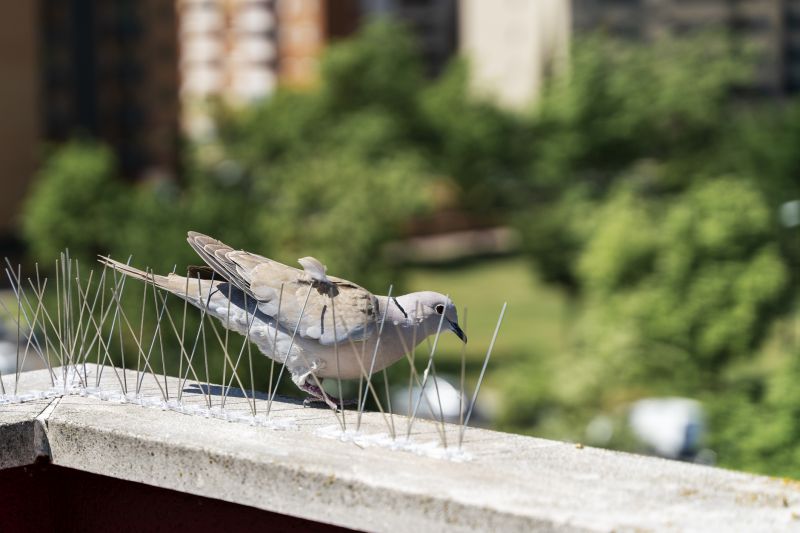
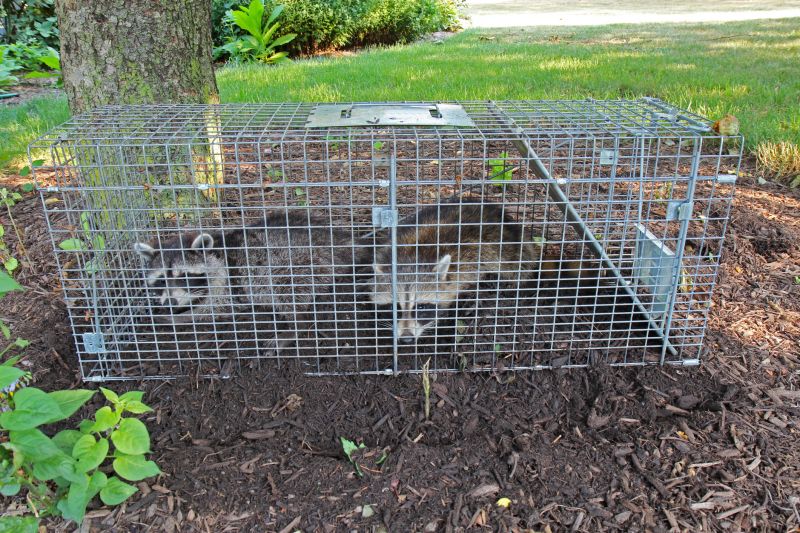
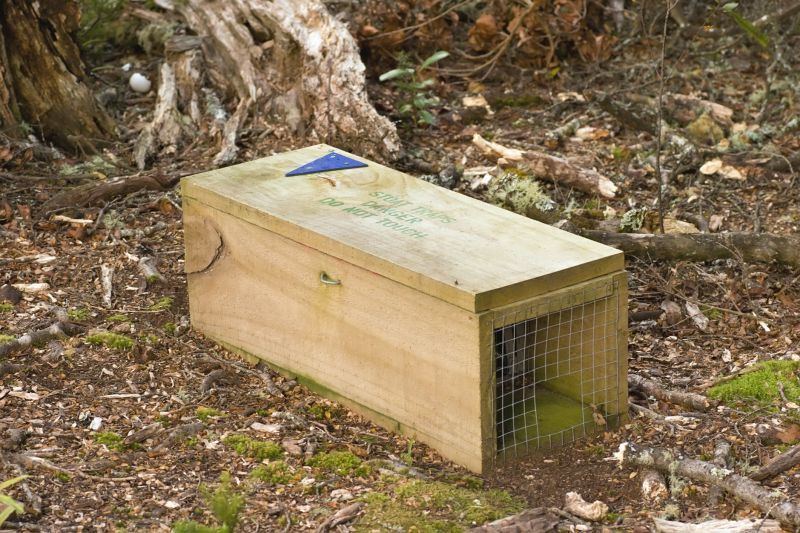
When people search for preventing future wildlife intrusions after professional removal, they are typically looking for solutions to ensure that animals do not return to their property after an initial removal. This concern often arises following encounters with animals such as raccoons, squirrels, bats, or birds that have gained access to attics, chimneys, vents, or wall cavities. Homeowners want to understand how to make their property less inviting or accessible to prevent repeated invasions, which can lead to ongoing damage, health risks, or safety hazards. The focus is on effective strategies that not only remove the current wildlife but also establish barriers or modifications to keep animals out long-term.
This topic relates to a variety of property-related problems and planning efforts. Many property owners are dealing with damage caused by wildlife-such as chewed wiring, insulation destruction, or nesting debris-that can compromise safety and comfort. Others may be concerned about the health risks associated with animal droppings or the potential for animals to carry diseases. Planning for preventing future wildlife intrusions involves identifying entry points, sealing gaps, and installing deterrents or barriers. Homeowners often seek guidance on the most durable and effective methods to protect their investment, especially after the initial removal has been completed by professionals.
Properties that typically come up in discussions about preventing future wildlife intrusions include residential homes, especially those with attics, roof vents, chimneys, or siding that can provide easy access for animals. Commercial buildings, barns, and farm structures are also common sites where wildlife intrusion prevention is necessary. These properties often have structural features that can be exploited by animals seeking shelter or food sources. Local service providers experienced in wildlife intrusion prevention understand the specific challenges posed by different property types and can recommend tailored solutions to ensure long-term protection.
Understanding how local wildlife intrusion prevention pros fit into the process is key for homeowners seeking effective results. After a professional removal, these experts evaluate the property to identify existing entry points and vulnerabilities. They then recommend and implement customized barriers, sealing techniques, and deterrent devices designed to prevent animals from re-entering. This proactive approach helps property owners avoid recurring problems and reduces the likelihood of future damage or health issues. Connecting with local contractors who specialize in wildlife intrusion prevention can provide the practical, durable solutions needed to keep properties safe and animal-free over time.
Bird exclusion projects - these involve installing barriers and deterrents to prevent birds from returning after removal, utilizing similar planning and sealing techniques.
Rodent proofing services - these focus on sealing entry points and installing barriers to keep rodents out, sharing skills in damage assessment and preventative installation.
Attic and crawl space sealing - this work involves closing off access points to prevent wildlife from re-entering attics and crawl spaces, requiring similar inspection and sealing methods.
Fence and barrier installation - installing physical barriers around properties to deter larger wildlife species, using planning and installation skills akin to wildlife exclusion efforts.
Tree and shrub trimming projects - managing vegetation to eliminate wildlife pathways and nesting sites, involving planning and execution skills relevant to wildlife intrusion prevention.
Home inspection for pest entry points - identifying vulnerabilities that allow wildlife entry and recommending solutions, paralleling the assessment phase of preventing future intrusions.
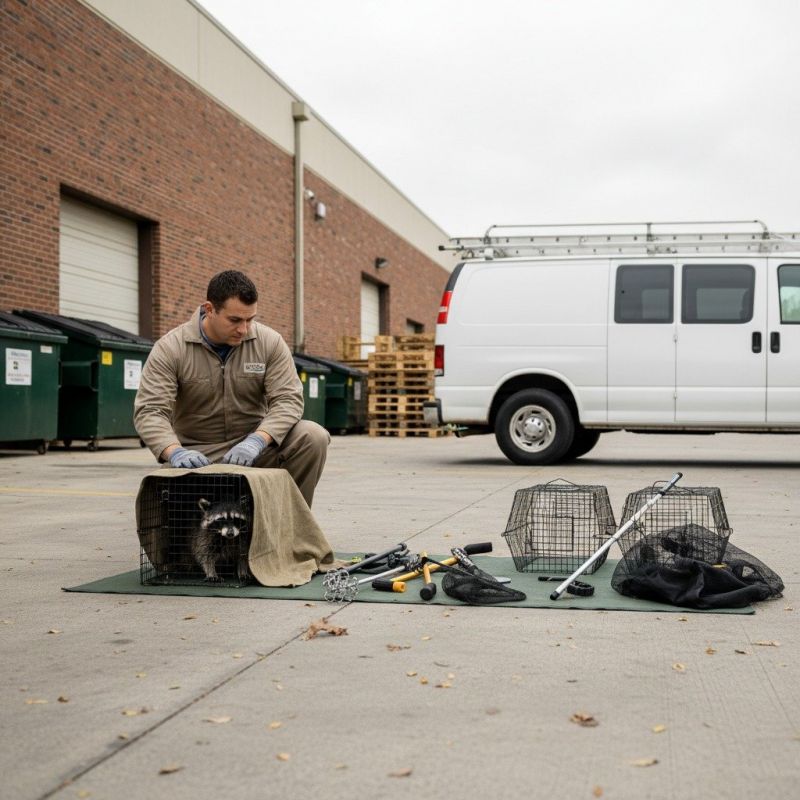
When evaluating service providers for wildlife intrusion prevention services, it is important to consider their experience with similar projects. Local contractors with a proven track record in preventing future wildlife intrusions after professional removal are more likely to understand the specific challenges that can arise in different types of properties. Asking about their past work can provide insight into their familiarity with common entry points and effective strategies for sealing them, helping to ensure that the chosen provider has the necessary expertise to handle your specific situation.
Clear written expectations are essential when comparing local pros for wildlife intrusion prevention. A reputable service provider should be able to outline the scope of work, materials to be used, and the steps involved in preventing future wildlife intrusions in a detailed, understandable manner. This transparency helps prevent misunderstandings and ensures that homeowners are aware of what the service entails. It also provides a basis for comparing different proposals and choosing a professional who aligns with your needs and expectations.
Good communication and reputable references are key factors when selecting local contractors for wildlife intrusion prevention. Service providers who are responsive and willing to answer questions demonstrate professionalism and a commitment to customer satisfaction. Additionally, seeking references or reviews from previous clients can offer valuable insights into their reliability and the quality of their work. These factors contribute to a smoother experience and greater confidence that the chosen professional can effectively help prevent future wildlife intrusions after professional removal.
Property owners often search for preventing future wildlife intrusions after professional removal when they are planning practical projects around their homes and businesses. Local pros provide Wildlife Intrusion Prevention services for everyday jobs and straightforward project options.
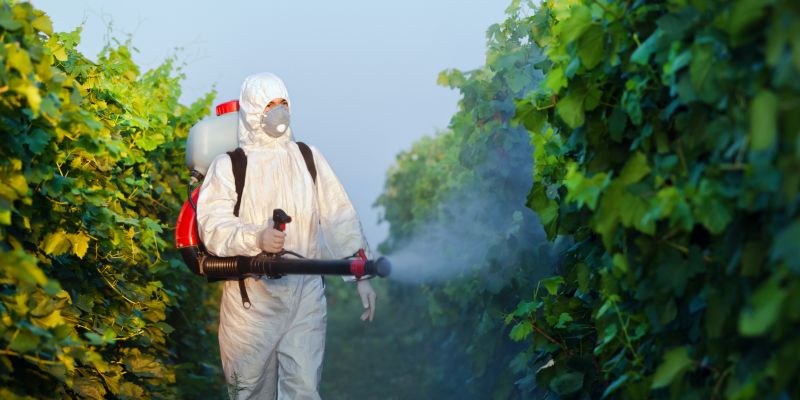
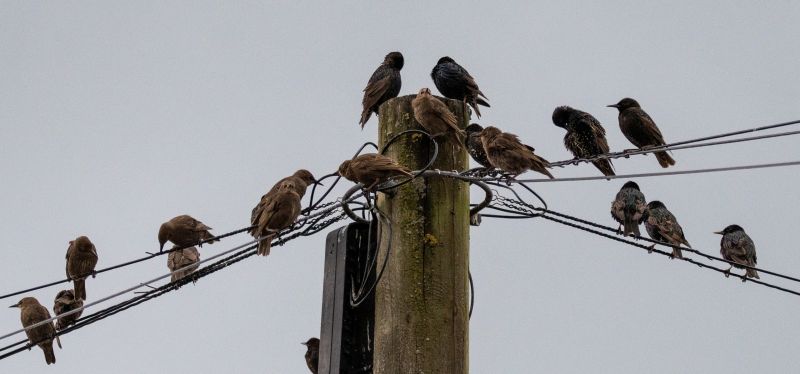
After wildlife removal has taken place, property owners often seek ways to prevent future wildlife intrusions and avoid recurring problems. Simple measures, such as sealing entry points and reinforcing vulnerable areas, can significantly reduce the chances of animals finding their way back inside. Local contractors experienced in wildlife prevention can assess a property’s unique vulnerabilities and recommend effective, practical solutions tailored to the specific types of wildlife common in the area.
Many property owners also look into ongoing prevention strategies to ensure their homes remain wildlife-free over time. This might include installing barriers, adjusting landscaping, or making structural modifications that deter animals from attempting to re-enter. Engaging with local service providers who specialize in wildlife intrusion prevention can help identify the most effective methods for each property, providing peace of mind that future intrusions are less likely to occur.
What are common methods used to prevent future wildlife intrusions after professional removal? Local contractors often recommend sealing entry points, installing barriers, and using deterrents to prevent wildlife from returning to the same areas.
How can I identify potential entry points around my property? Skilled service providers can conduct inspections to locate gaps, holes, and other vulnerabilities that wildlife might use to access your home or building.
Are there specific materials or techniques that effectively block wildlife access? Yes, local pros typically utilize durable, wildlife-proof materials like steel mesh, metal flashing, and specialized sealants to secure entry points.
What maintenance is needed to ensure wildlife does not re-enter after prevention measures are installed? Regular inspections and timely repairs by local contractors help maintain the integrity of barriers and prevent new entry points from forming.
Can wildlife deterrents complement physical barriers for better prevention? Yes, combining deterrents with physical barriers creates a comprehensive approach to preventing future wildlife intrusions after professional removal.
Sealing Entry Points - Identifying and sealing gaps, holes, and openings in building exteriors can prevent wildlife from re-entering after removal services are completed. Property owners can work with local contractors to ensure all potential access points are properly closed.
Installing Deterrents - Using physical barriers or deterrent devices, such as mesh screens or one-way exits, can discourage animals from attempting to return to the property. Local pros can recommend and install effective solutions tailored to specific wildlife species.
Maintaining Landscaping - Trimming trees, shrubs, and vines near structures reduces hiding spots and access points for wildlife. Regular upkeep with guidance from local service providers helps minimize future intrusion risks.
Implementing Ongoing Monitoring - Setting up periodic inspections or monitoring systems can help detect early signs of wildlife attempts to re-enter. Local contractors can assist with establishing a plan for continuous prevention efforts.
If you are thinking about preventing future wildlife intrusions after professional removal for a property, this guide is meant to help you understand this topic, the typical project types, and how different options might fit your plans.
When you are ready, you can use the quote form on this page to share a few details about your project. From there, local pros can review the basics and follow up with options that match what you have in mind.